



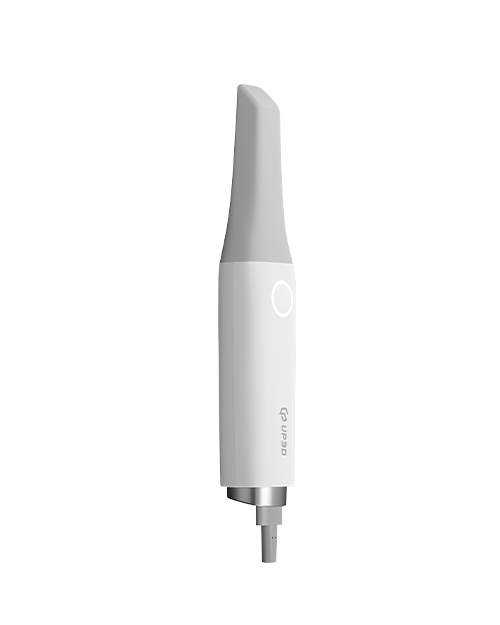
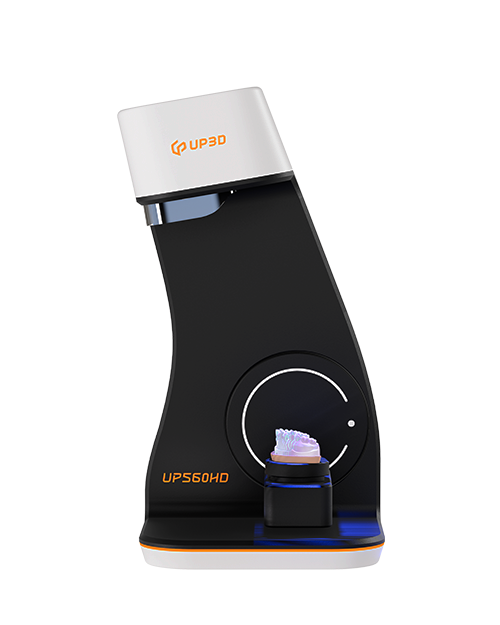



Choosing an intraoral scanner today is very different from choosing one five years ago.
Dentists and labs now expect scanners to do far more than capture basic digital impressions—they need consistent accuracy, smooth usability, predictable speed, and compatibility with their existing CAD/CAM workflows.
But with so many scanners on the market and every brand claiming to be fast and accurate, how do you actually choose the right one?
This guide breaks down the key factors that matter most when evaluating an intraoral scanner, based on what clinical users and dental labs deal with every day.
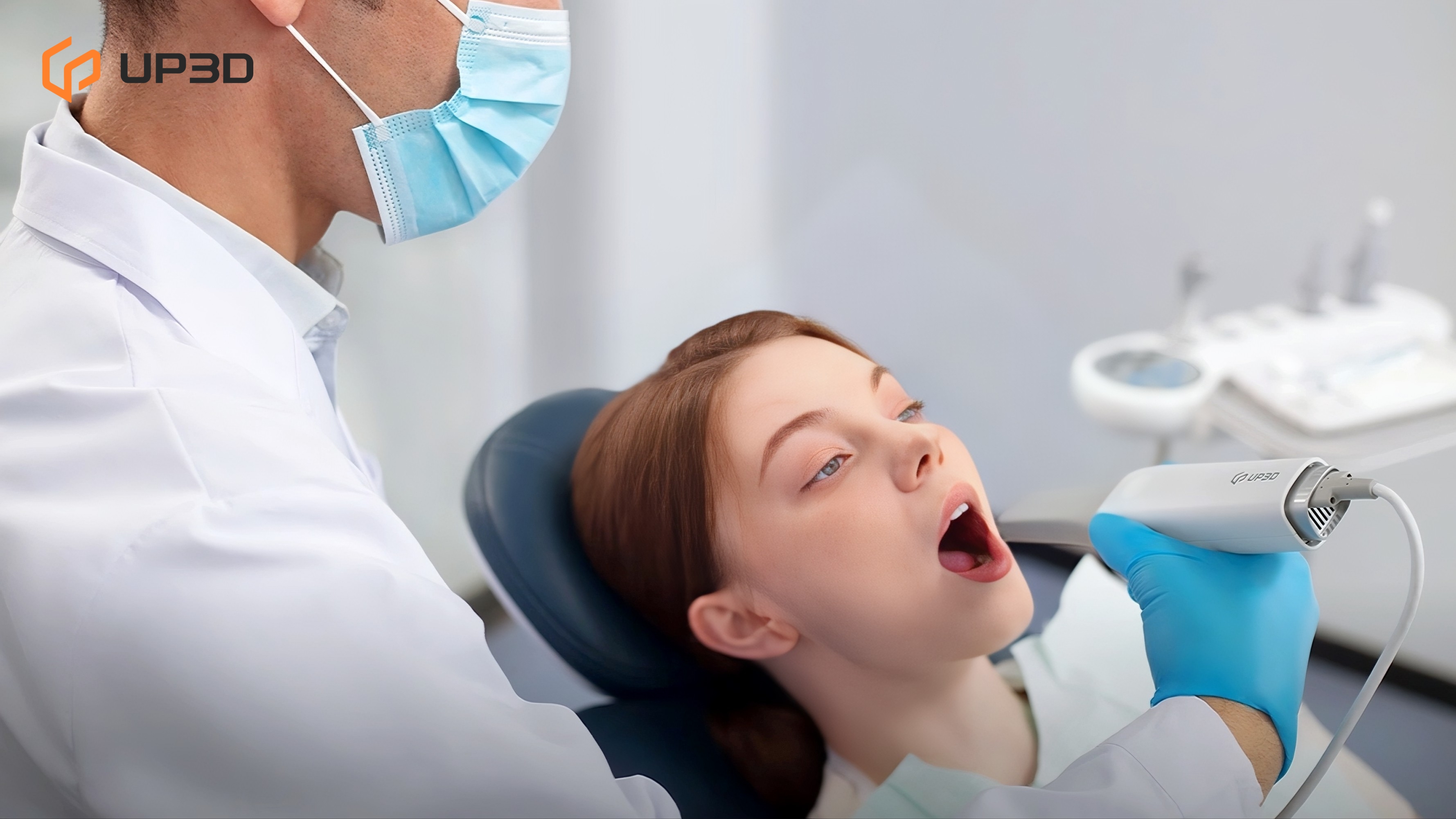
1. Accuracy: The First Thing You Should Evaluate
A scanner can look advanced, but if the data isn't accurate, the rest of the workflow falls apart.
What Actually Determines Accuracy
-
Optical system quality
High-resolution sensors help capture crisp margins and undercuts. -
Stitching algorithm
Good algorithms reduce distortion, especially in full-arch cases. -
Motion control & anti-shake
Compensates for hand movement and patient motion. -
Depth capture stability
Ensures consistent data whether you’re scanning in the posterior or deep preparation areas.
Accuracy Problems to Watch Out For
-
Over-smoothing of data
-
Warping in full-arch scans
-
Missing or distorted margins
-
Scan dropouts in moist areas
Accurate scans produce better crowns, better aligners, and fewer remakes. It's the first thing you should test—always.
2. Speed: Real Efficiency, Not Just “Claims”
Speed matters, but not in isolation.
A scanner is only fast if you can complete a clinically acceptable full-arch with minimal rescanning.
What Influences True Scanning Speed
-
Wide field of view for fewer passes
-
Fast image processing to avoid lag
-
Reliable anti-fog tip so you don't stop mid-scan
-
Optimized scan path for full arch workflows
-
AI soft-tissue filtering to reduce manual editing
A scanner that claims to be “fast” but requires constant correction is not fast in the real world.
3. Ease of Use: The Part Most People Underestimate
User experience has a direct impact on clinical results.
Factors That Make a Scanner Easy to Use
-
Clear interface with simple visual cues
-
Smooth real-time rendering
-
Easy scanning of posterior teeth
-
Lightweight handpiece with a comfortable grip
-
Quick, reliable tip heating
-
Reusable or easily replaceable tips
Even highly skilled clinicians prefer scanners that “just work,” without navigation issues, constant fogging, or complex menus.
4. Software Compatibility & Workflow Integration
A good scanner does not force dentists or labs to work in a closed ecosystem.
What to Look For
-
Open file export (STL/PLY/OBJ)
-
Compatibility with major CAD/CAM platforms
-
Cloud sharing tools for labs
-
Clear bite alignment visualization
-
Smooth integration with chairside workflows
If your clinic or lab plans to expand into same-day dentistry, implant planning, or aligner production, workflow flexibility matters even more.
5. Depth of Field: A Hidden Feature That Affects Everything
Depth of field determines how “forgiving” the scanner is during use.
Why It Matters
A wide depth of field helps you:
-
Capture high-quality data even with hand movement
-
Scan deep preps without losing focus
-
Move naturally without constantly adjusting distance
-
Reduce rescanning and training time
This is one of the most overlooked specs—and one that affects daily usability the most.
6. Reliability, Stability, and After-Sales Support
A scanner is a long-term investment. Beyond specs, consider:
-
Software stability during long scanning sessions
-
Consistency of anti-fog performance
-
Lifespan of scanner tips
-
Update frequency
-
Customer support responsiveness
A powerful scanner with weak technical support will slow your workflow down more than a “mid-range” model with strong training and service.
7. AI and Automation: Simplifying the Entire Process
AI now plays a major role in streamlining intraoral scanning.
Useful AI Features
-
Soft-tissue cleanup
-
Automatic trimming
-
Bite alignment prediction
-
Automatic identification of missed areas
-
Noise reduction around cheeks and tongue
When AI is well-implemented, the scanner feels faster, cleaner, and easier to use—even for beginners.
8. Consider Your Workflow: Clinic vs Lab vs Chairside
Not every scanner fits every setting.
For Clinics
-
Fast full-arch speed
-
Comfortable tip size
-
Easy integration with design software
-
Support for orthodontics and prosthetics
For Labs
-
High accuracy for models and restorations
-
Smooth import into CAD
-
Reliable case-sharing tools
For Chairside / Same-Day Dentistry
-
Fast image processing
-
Precise margins
-
Open workflow
-
Strong integration with milling equipment
Choosing the right scanner depends not only on the machine itself, but how well it fits the way you work.
Conclusion
A great intraoral scanner is the one that delivers:
-
real accuracy
-
real speed
-
intuitive usability
-
reliable software
-
smooth workflow integration
-
long-term stability
-
and a fit that matches the way your clinic or lab operates.
By evaluating these factors—not just marketing claims—you'll be able to choose a scanner that supports predictable, efficient, and scalable digital dentistry.


