






As more dental labs and clinics adopt digital production, the question almost everyone asks is the same:
“How much does a dental milling machine really cost?”
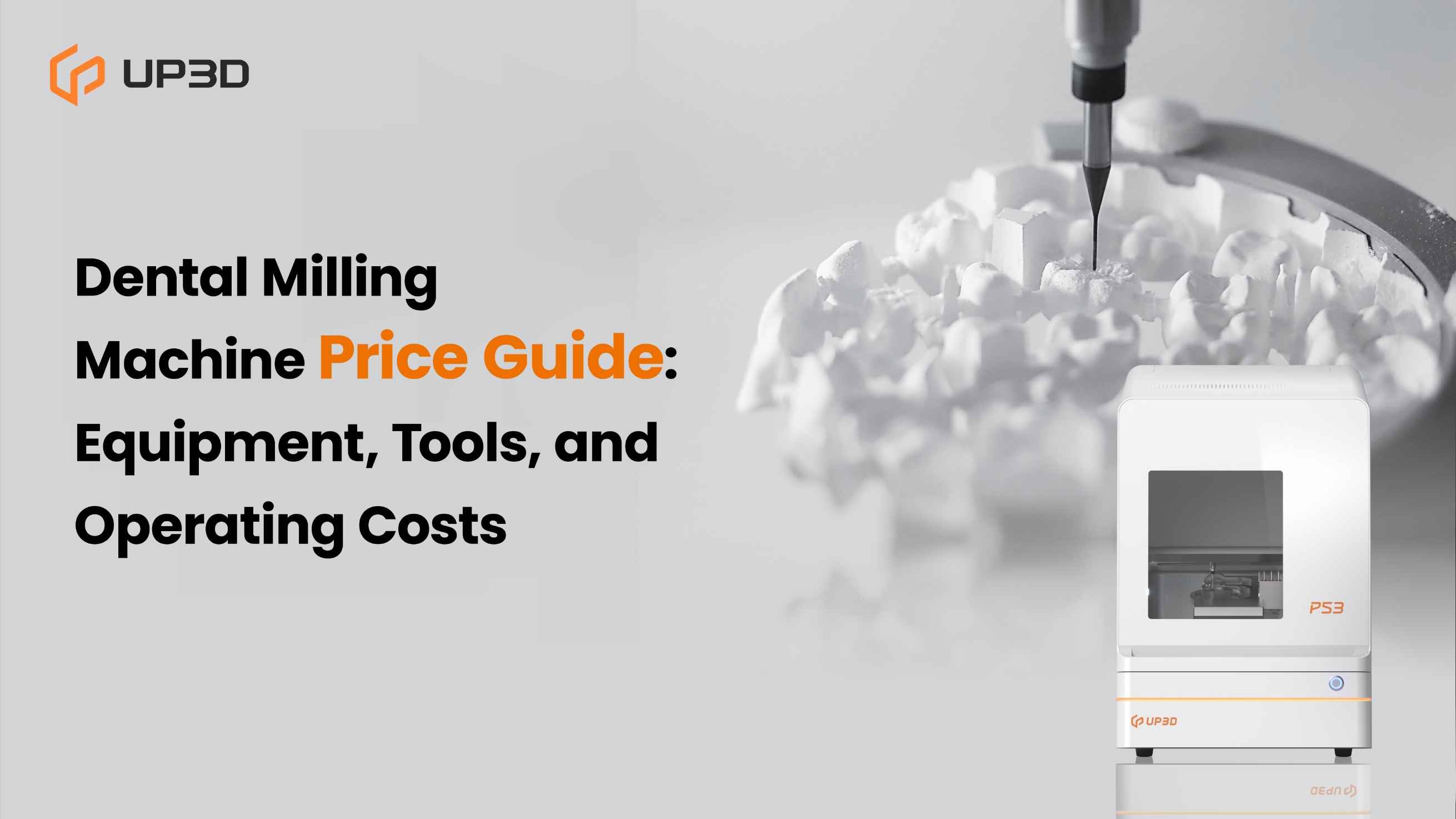
Pricing varies widely depending on technology, materials, spindle design, automation features, and long-term operating expenses. This guide breaks down the real cost of owning a dental milling machine—helping you budget confidently, compare systems accurately, and avoid hidden expenses.
1. Understanding the Real Cost of a Dental Milling Machine
The machine price itself is only one part of the investment. A complete setup usually includes:
-
The milling machine
-
CAM software
-
Milling burs and tools
-
A dust extractor or water cooling unit
-
A computer or workstation
-
Maintenance supplies and consumables
Some of these costs are upfront, while others repeat monthly or yearly. Machines with stronger spindles, longer tool life, and automated workflows often reduce hidden long-term costs.
2. Typical Price Ranges in the Market
Dental milling machines generally fall into three categories:
Entry-Level Machines
Usually between USD $8,000–$20,000, these systems are suited for clinics and small labs. Most are 3-axis or simplified 4-axis models that handle PMMA, wax, and soft resins. They are perfect for low-volume, single-unit restorations but limited with tougher materials.
Mid-Range Machines
Priced at USD $20,000–$40,000, these are the most popular choice for labs moving into zirconia and ceramics. Most offer full 4- or 5-axis capability, stable performance, and better flexibility for daily production.
Premium Production Machines
These range from USD $40,000–$80,000+ and are designed for large labs with high production volumes. With high-speed 5-axis performance, stronger spindles, and automation features like disc changers, they lower long-term per-unit costs despite higher initial investment.
3. CAM Software Costs
CAM software can significantly influence total cost. Some brands provide basic versions in the machine price, while others offer modular or subscription-based licensing.
A typical CAM system may cost anywhere from USD $1,000–$8,000, depending on:
-
5-axis toolpath capability
-
Automatic nesting
-
Material-specific strategies
-
Update and support fees
The more automated the software, the lower the need for manual adjustments—and the lower the risk of human error.
4. Tooling: Burs, Adapters, and Tool Life
Tooling is one of the most frequent recurring expenses.
-
Zirconia burs typically cost between $20–$55 each and wear the fastest due to the hardness of zirconia.
-
PMMA burs are cheaper, often $10–$35 each, and last much longer.
-
Glass-ceramic tools range from $35–$75, requiring wet milling for longevity.
-
PEEK and composite tools vary depending on geometry and torque requirements.
Tool life also varies by material. Zirconia often yields 5–15 units per bur, whereas PMMA can reach 20–50 units. Machines with stable motion control and strong spindles generally help extend tool life and reduce cost.
5. Operating Costs: Electricity, Water, and Routine Maintenance
Operating costs differ from lab to lab, but generally include:
Electricity
Most dental mills run at 0.5–2 kWh, much lower than industrial machinery.
Dust or Coolant Management
Dry milling zirconia requires effective dust extraction, while wet milling needs regular coolant replacement. Maintaining clean systems helps extend part life and reduces repair frequency.
Spindle Maintenance
A well-built spindle typically lasts 3–5 years.
Replacement costs usually range from $800–$2,500+ depending on brand and torque level.
6. Cost Differences Between Milling Different Materials
Zirconia is the most demanding material: it generates fine dust and wears tools quickly, requiring a strong spindle and reliable dust-control system.
Glass ceramics must be wet milled to prevent micro-cracks, meaning coolant and ceramic-specific tools are essential.
PMMA is one of the most cost-effective materials to mill and is ideal for high-volume production because tools last long and cutting is fast.
PEEK and composite resins require high spindle torque and smooth motion to avoid chipping or vibration lines.
Wax is the easiest and cheapest material to mill, producing almost no wear and extremely fast toolpaths.
7. What Really Impacts Long-Term ROI?
Your return on investment often depends more on workflow and production volume than the machine price alone. Key factors include:
-
Your main material types
-
Daily unit output
-
Tool life and tool cost
-
Machine uptime
-
CAM automation level
-
Labor cost and rework rate
Labs milling 20–60 units per day often benefit the most from automation features such as disc changers or intelligent nesting systems.
Clinics tend to prioritize plug-and-play simplicity.
8. Total Cost of Ownership: A Practical Estimate
A realistic annual operating cost for a small or mid-sized lab might include:
-
$1,200–$4,000 for tools
-
$200–$600 for coolant, filters, or cleaning supplies
-
$200–$800 for maintenance
-
$300–$1,000 for occasional spindle or part replacement
Across 3–5 years, the machine itself accounts for only about 40–60% of total ownership cost. The rest comes from tools, materials, maintenance, and workflow efficiency.
Final Thoughts: Choosing Smart for 2026 and Beyond
A dental milling machine is a long-term investment. Once you understand equipment cost, recurring expenses, and how materials influence consumption, you can select a machine that supports your workflow now—and continues to perform well as your business grows.
Digital production is becoming the standard across the industry. Making an informed choice today helps ensure your lab stays competitive in 2026 and the years ahead.


