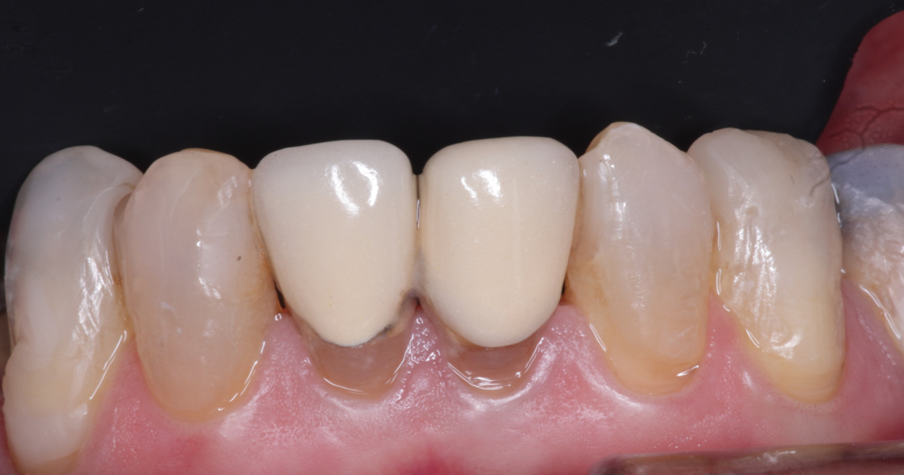






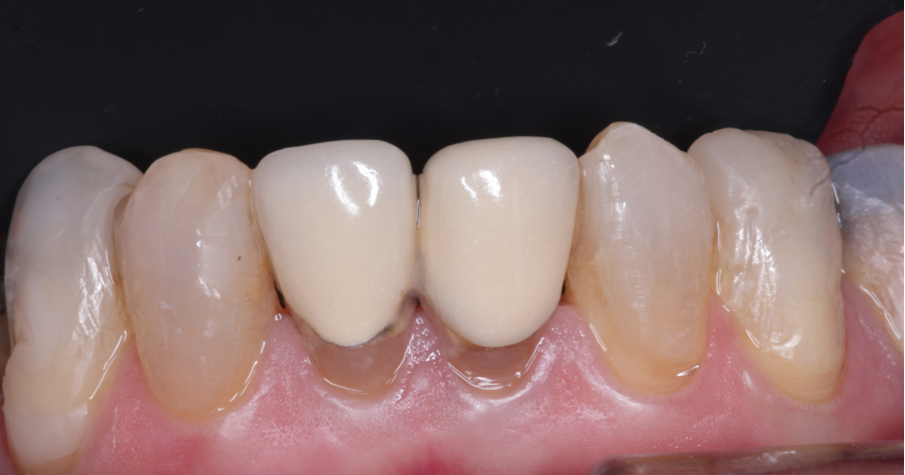
Many people consider porcelain-fused-to-metal crowns (PFM) a permanent solution, but time often proves otherwise. After a few years, slight gum recession can expose the metal base at the crown margin. The resulting "false white" appearance stands in stark contrast to adjacent teeth, disrupting the natural harmony of the smile — and quietly eroding the patient's confidence.
The patient in this case was Ms. M, a 25-year-old woman from Ecuador, who presented with esthetic concerns regarding her existing anterior PFM restorations. Her chief complaint was the desire for a natural-looking, harmonious restoration with a shortened treatment timeline.
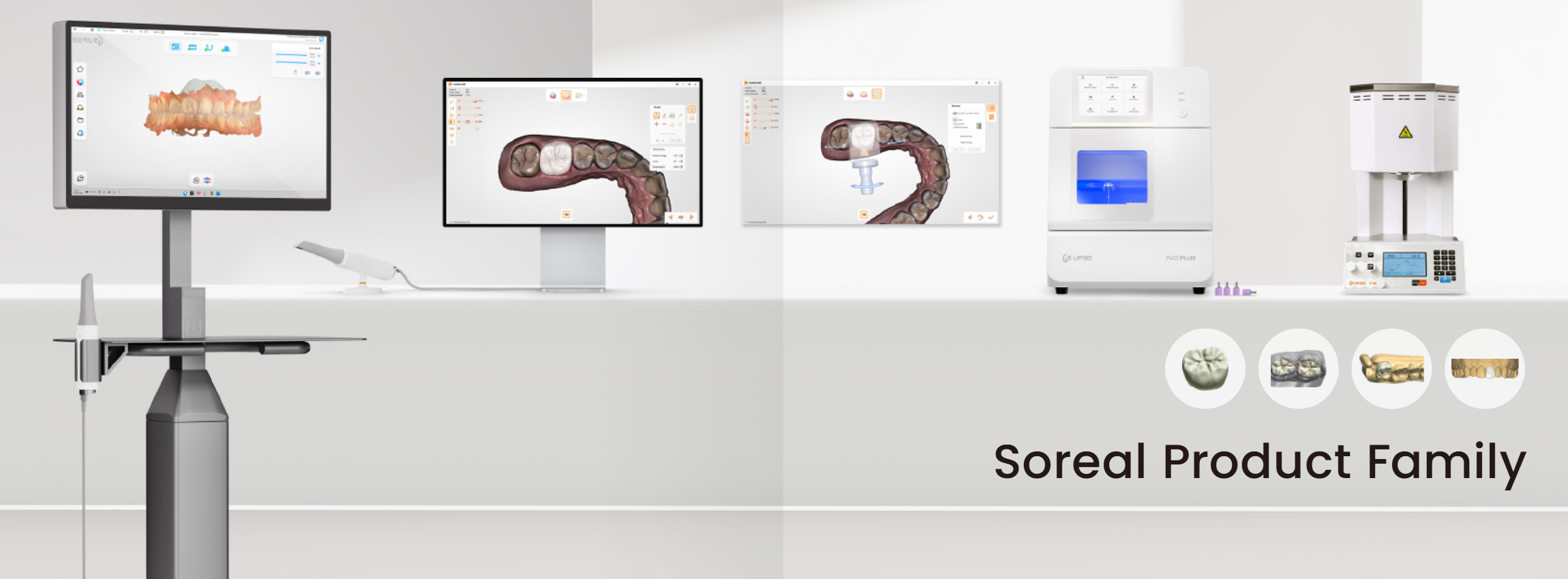
Following a thorough examination, we developed a treatment plan utilizing the Soreal Chairside Immediate Restoration System. The entire procedure — from removal of the old crowns to seating of the new all-ceramic restorations — was completed in a single visit, with approximately three hours of chairside time. No off-site lab fabrication, no repeated adjustments — just one efficient appointment to transform "false white" into true natural esthetics.
This case by Dr. Marlon.
Patient Profile
- Patient: Ms. M, 25 years old
- Present condition: Years ago, porcelain-fused-to-metal (PFM) restorations were placed. Due to gum recession, the metal margins are now exposed, showing an unnatural “false white” appearance that affects aesthetics.
- Chief complaint: Seeking aesthetic restoration with natural, lifelike color and harmonious shape, while minimizing both appointment time and number of visits.
- Medical history: Generally healthy, with no systemic diseases, drug allergies, or infectious disease history.
Examination & Diagnosis
- Mandibular central incisors (FDI: 31, 41): The original crown fit was acceptable, but the metal margin color was clearly visible.
- Gum recession has resulted in significant differences in color and shape between the natural teeth and the restorations, leading to suboptimal aesthetic outcomes.
- Adjacent teeth displayed natural ivory tones with translucent incisal edges.
Diagnosis: Poor esthetics of old PFM restorations (metal margin exposure from gingival recession). Indicated for all-ceramic replacement.
I explained to her :We will use a brand-new digital system so that you can walk out today with teeth that look just like your own.
Treatment Process – Soreal Workflow
1. Removal of Old PFM Crowns & Tooth Preparation
-
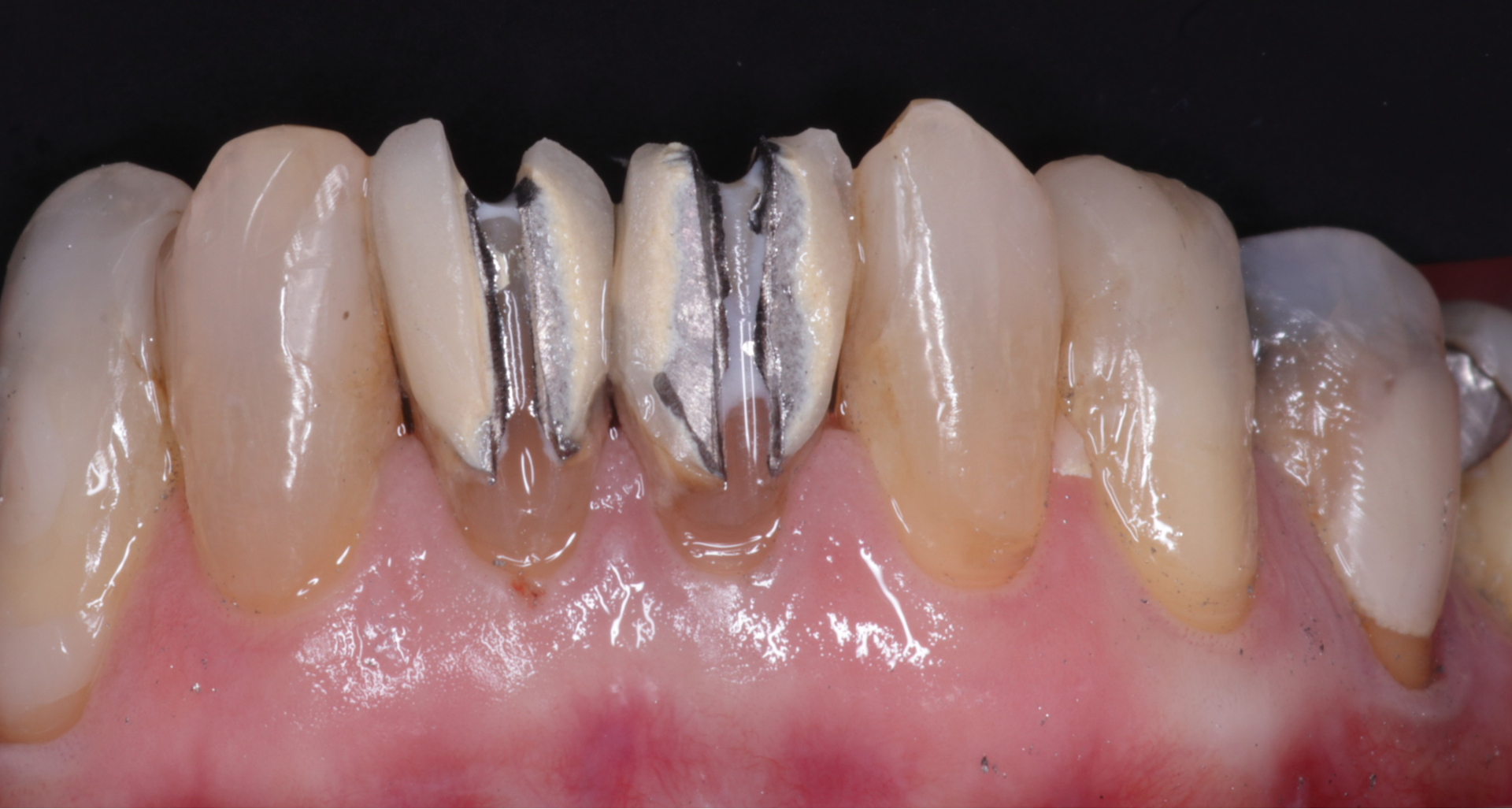
Under local anesthesia, the original PFM crowns were removed using a high-speed handpiece and dedicated burs, followed by thorough cleaning of residual cement from the tooth surfaces.
-
Full ceramic crown preparation was performed:
-
A uniform dentin shoulder was preserved to ensure strength and esthetics of the all-ceramic margin.
-
Incisal reduction was controlled to allow space for the incisal translucency layer.
-
Interproximal contact areas were refined to prevent food impaction after seating.
-
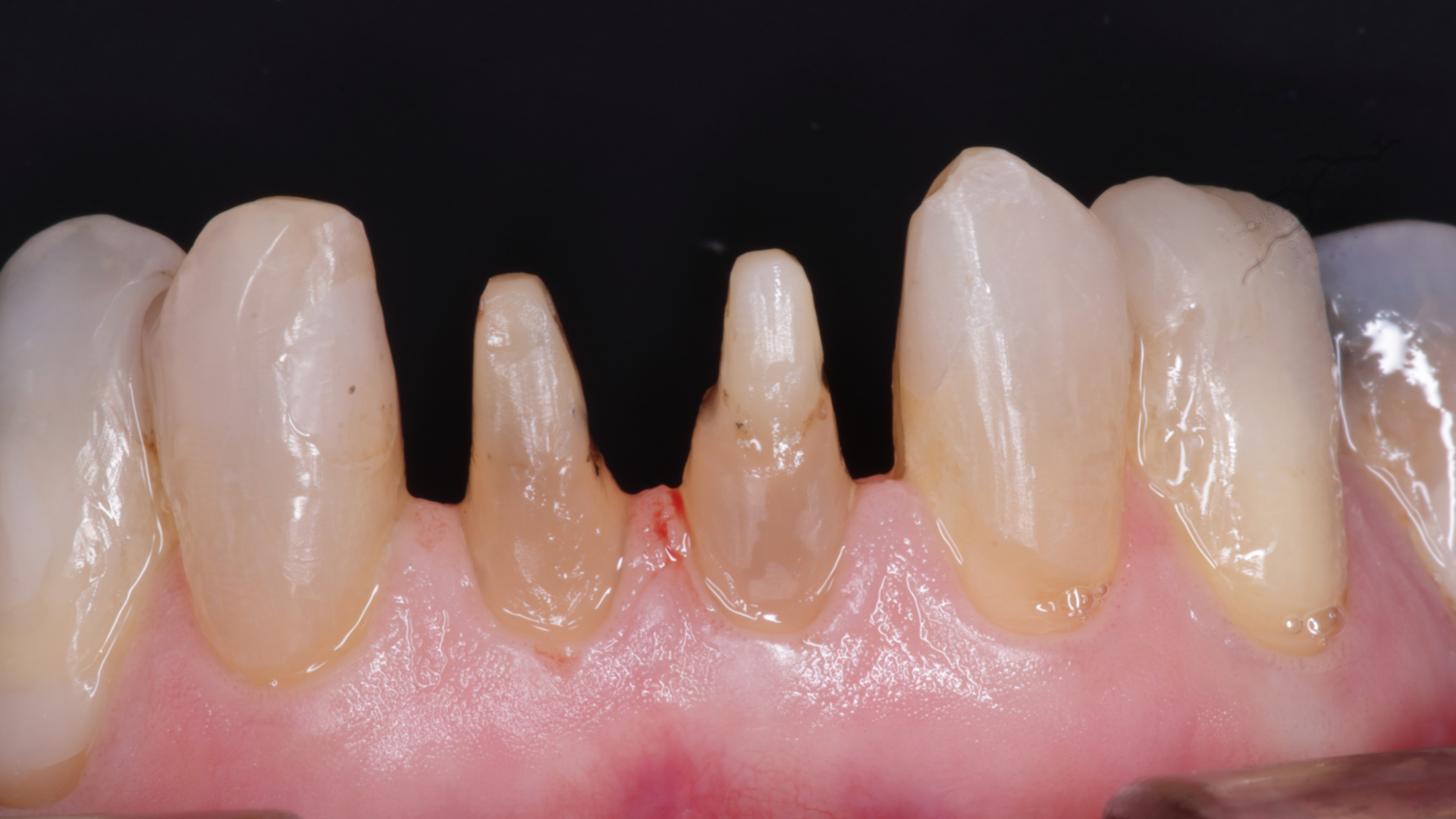
2. Intraoral Scanning (Clariscan UP610)
-
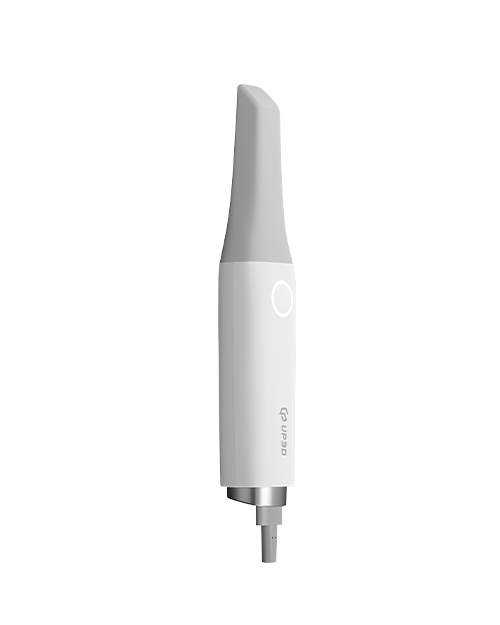
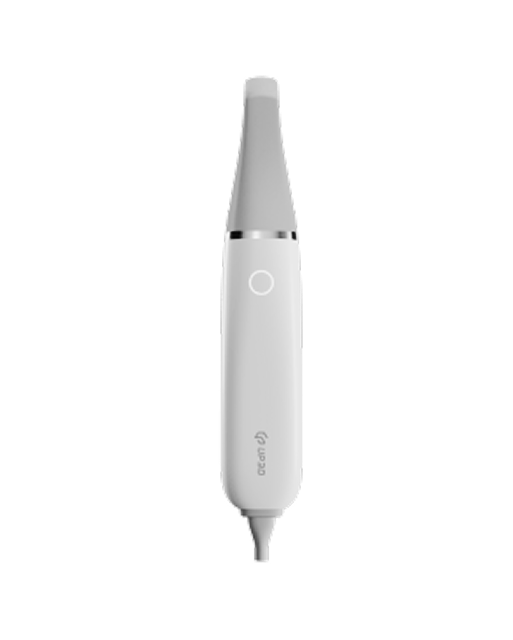
Used the UP610 intraoral scanner for a direct 3D scan, replacing traditional silicone impressions.
- Within minutes, a complete digital model appeared on the screen—accurately recording tooth morphology and capturing fine gingival textures and contours.
Ms. M looking at the real-time image, said with a smile:The last time, that rubbery impression material in my mouth was so nasty I nearly gagged. This time, nothing uncomfortable, and it was actually a pretty chill experience.
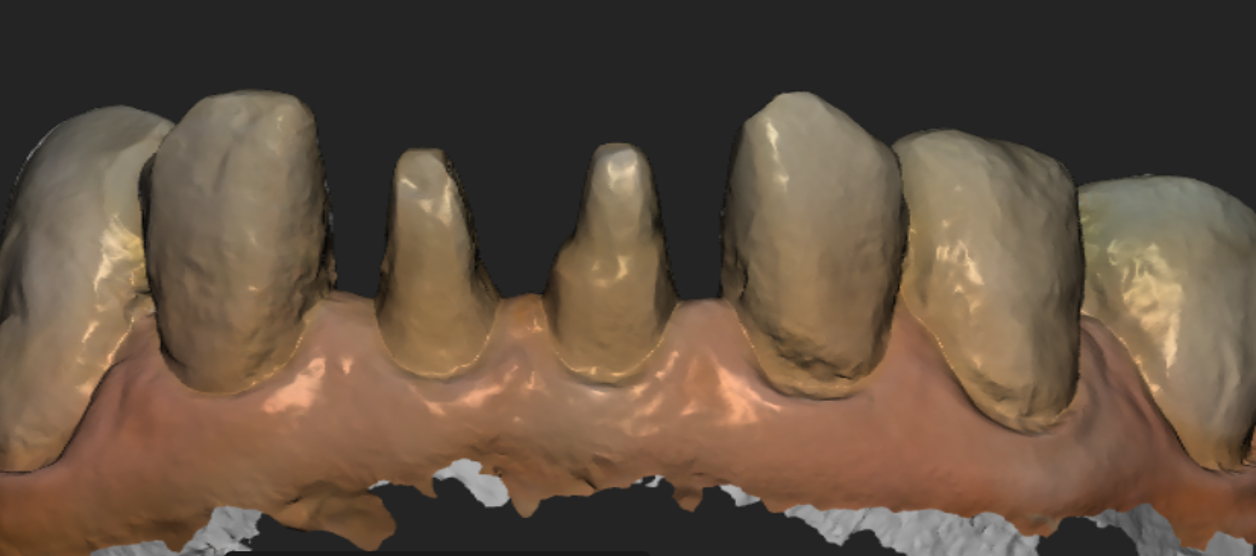
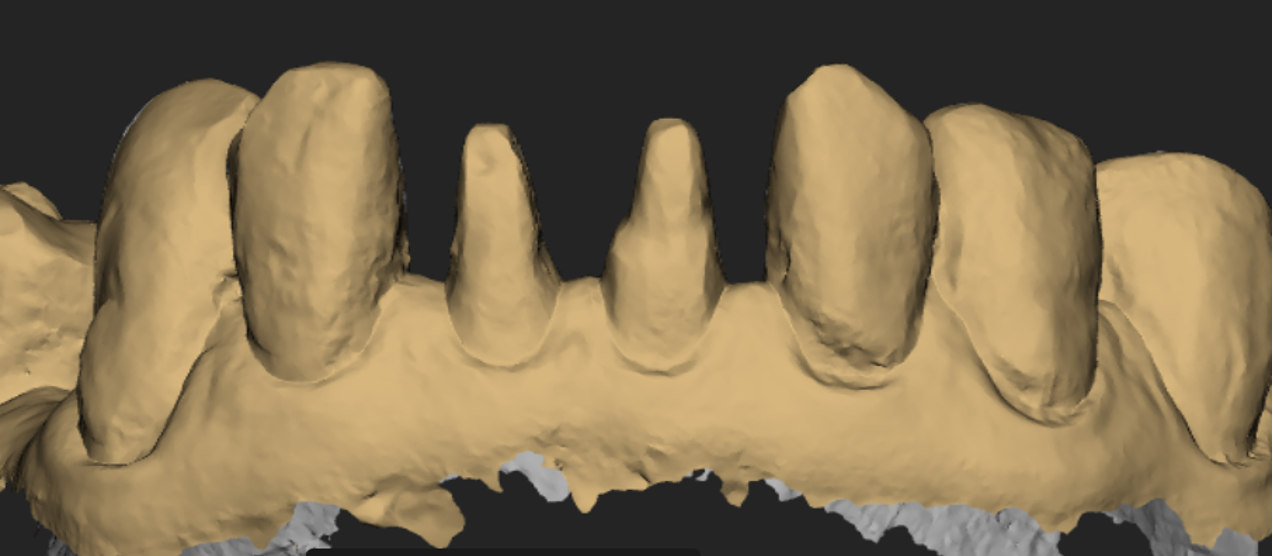
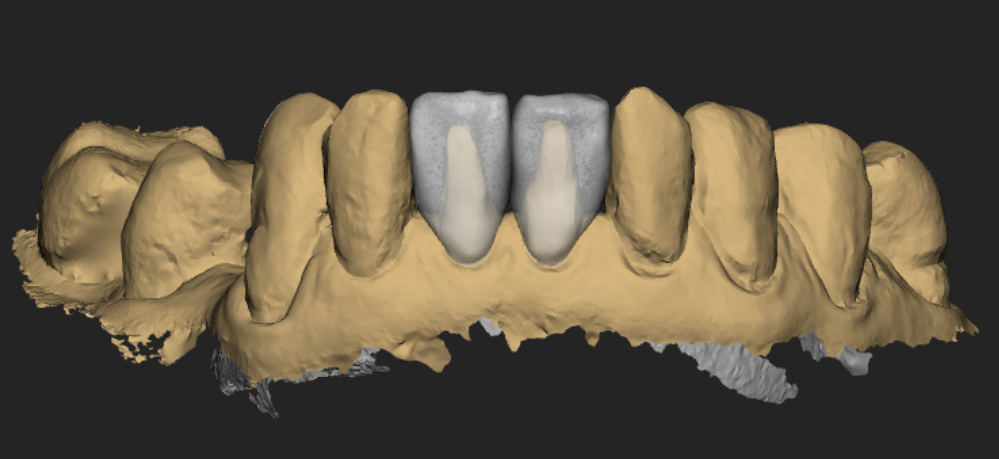
3. CAD Design(Single CAD)
- Scanned data was transferred to the Single CAD design software for seamless integration.
-
Individualized design was performed for the two dental crowns
-
- Precise adjustment of the cervical contour to follow the gingival curve naturally, avoiding overhangs or pressure
-
Fine detailing of surface micro-texture to mimic the soft light reflection of natural teeth
The entire process was fully visualized; Ms. M could watch the new teeth form in real time and participate in detail discussions until fully satisfied with the shape.
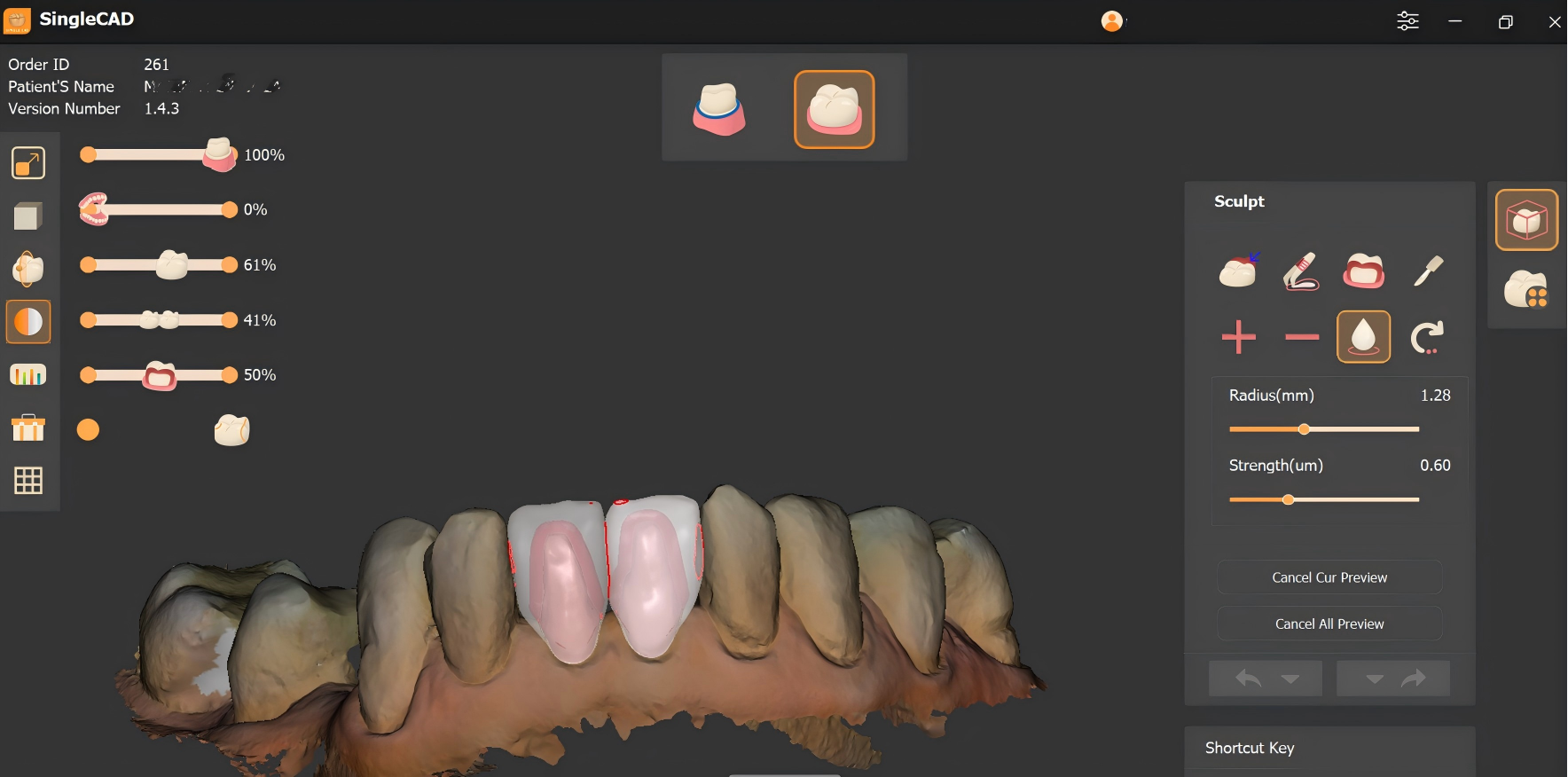
4. CAM Nesting (UPCAM 4.0)
-
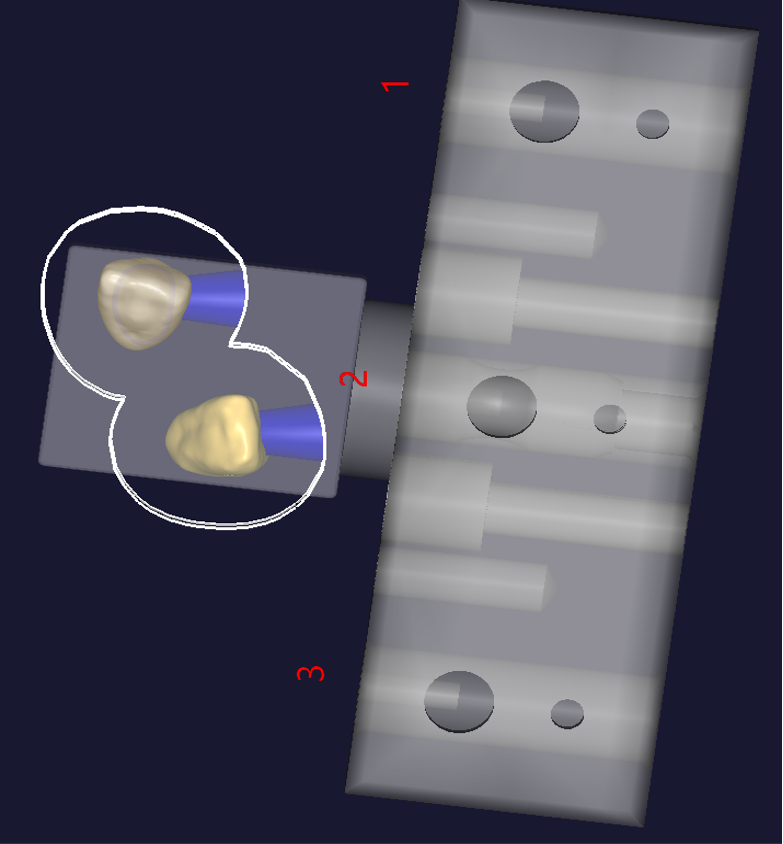
Using UPCAM 4.0 nesting software, the two all-ceramic crowns were precisely nested in a single batch.
-
The software automatically optimized the cutting path, allowing both crowns to be milled simultaneously from the same block of glass ceramic.
This significantly reduced production time, minimized material waste, and enhanced the overall efficiency and environmental friendliness of the workflow.
5. Clinical Milling (P42 PLUS - Wet Milling)
-
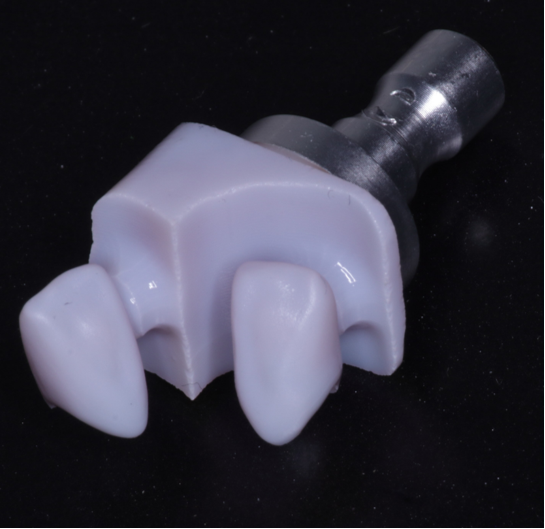
During milling, the P42 PLUS operated quietly and smoothly, without harsh noise, ensuring no disruption to normal clinic activities.
The milled crowns matched the design data with high precision, featuring accurate details and smooth, rounded edges, ready for sintering without any additional trimming.
6. Same-Day Delivery
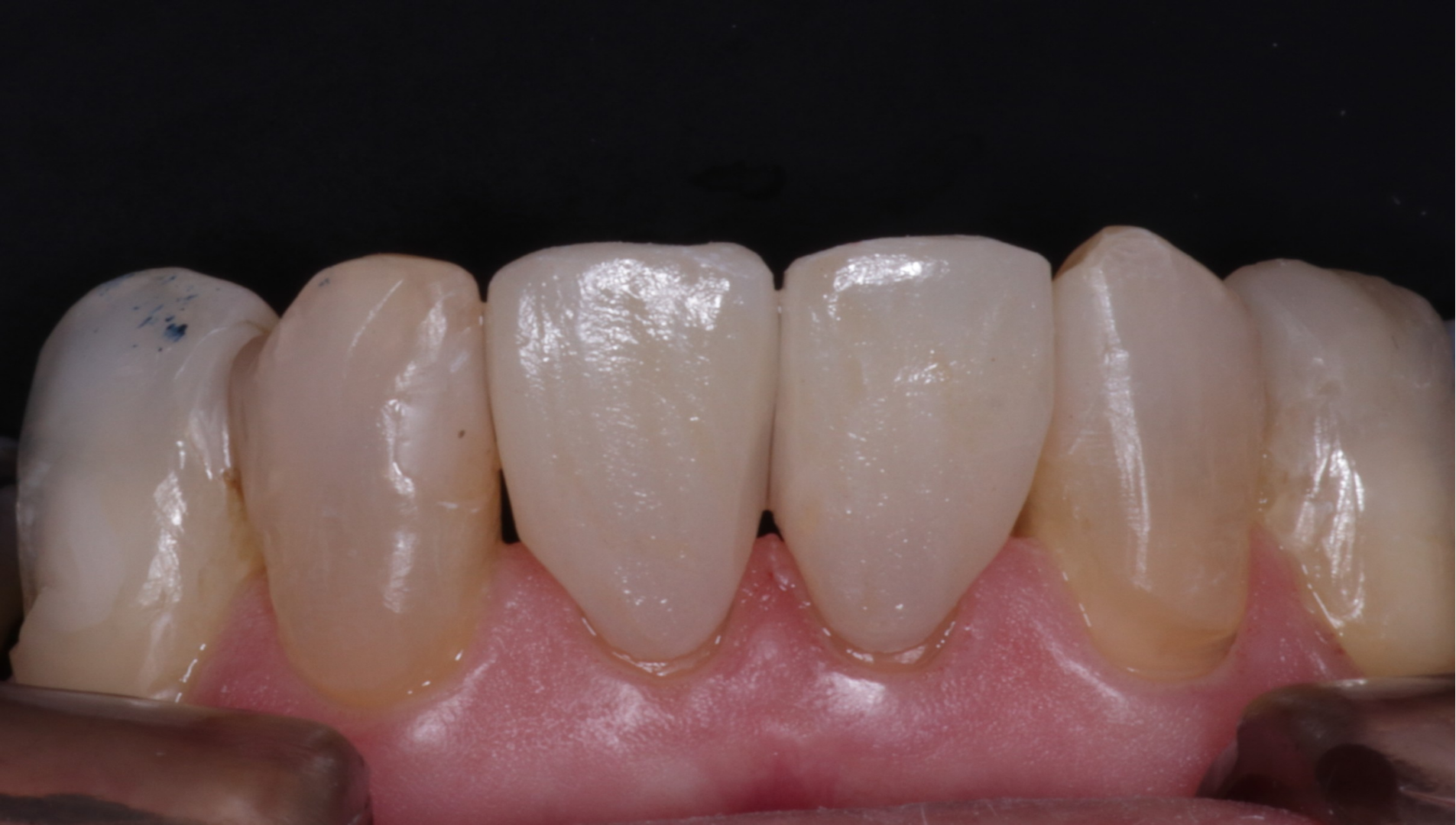
After sintering, the crowns were immediately tried on Ms. M, adjusted for occlusion, and polished.
Holding the mirror and admiring the result, Ms.M smiled and said: Seriously, the whole thing was fast, and they look amazing now. I figured I’d be back a few times, but nope — one day and it was all finished!
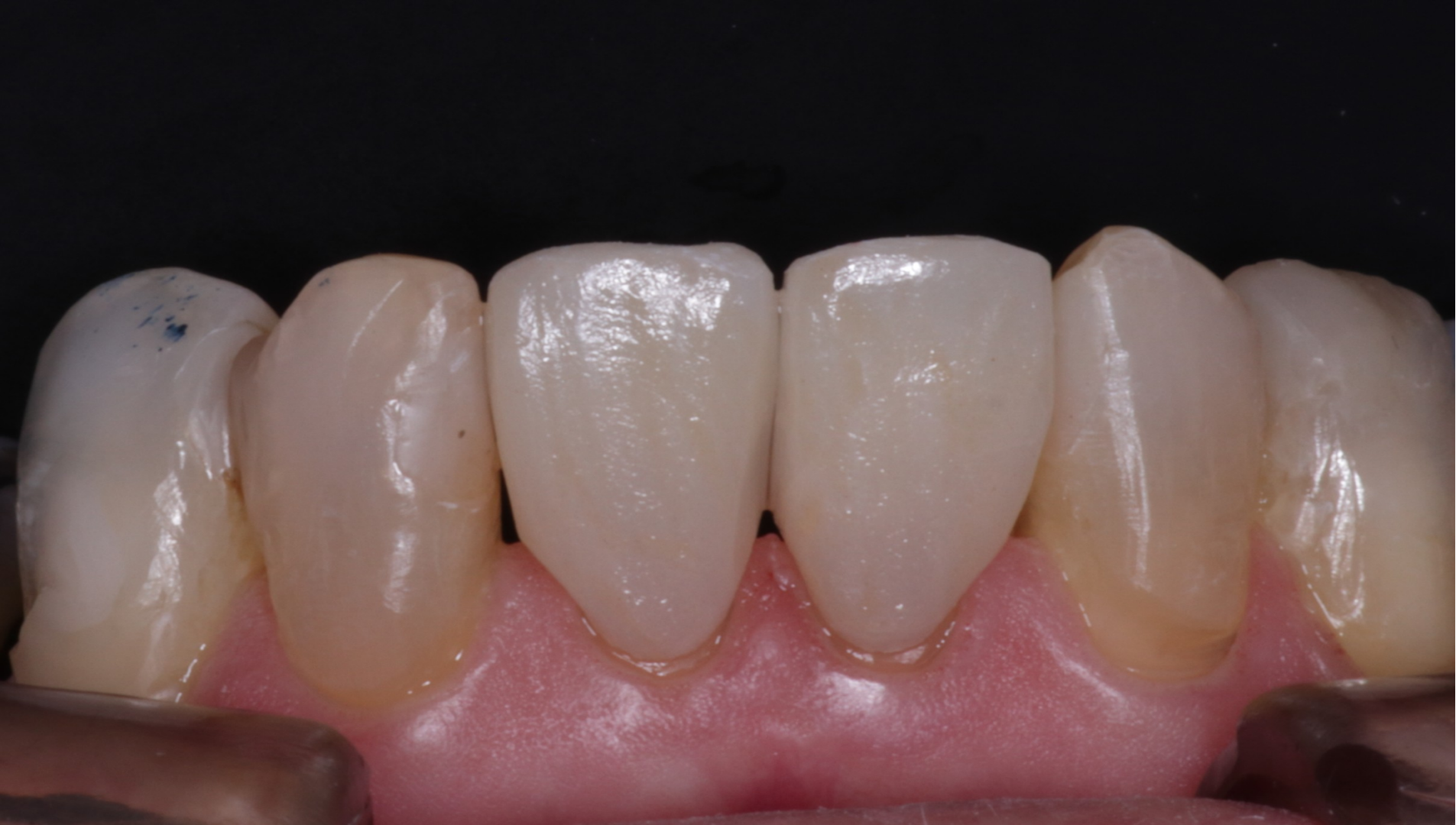
From scanning to completion of glass ceramic sintering, the total waiting time was approximately two hours. After a brief rest in the waiting area, Ms. M received her final crowns, eliminating the need for another visit. This is the core value that the Soreal system delivers to both patients and dentists.
Before & After Comparison: